Home/Ark of Taste

Arch BlasThe Ark of Taste

A catalogue of the foods we are in danger of losing, and a plan for bringing them back.

What it is

Forgotten foods, found again

The Ark of Taste project seeks to preserve the forgotten foods that are in danger of being lost as a result of our fast-paced lives and intensive food production methods. It is a living catalogue, kept by the Slow Food Foundation for Biodiversity, of products from all over the world that are worth saving and at genuine risk of disappearing.

Getting a product aboard the Ark is not an academic exercise. It is a way of putting a name to something, telling its story, and pointing people towards the small-scale producers who still make it. By promoting those producers we are able to safeguard traditional Welsh products and return them to the market, which is the only place a food can really survive.

Seven Welsh products are already included. We are working on adding more.

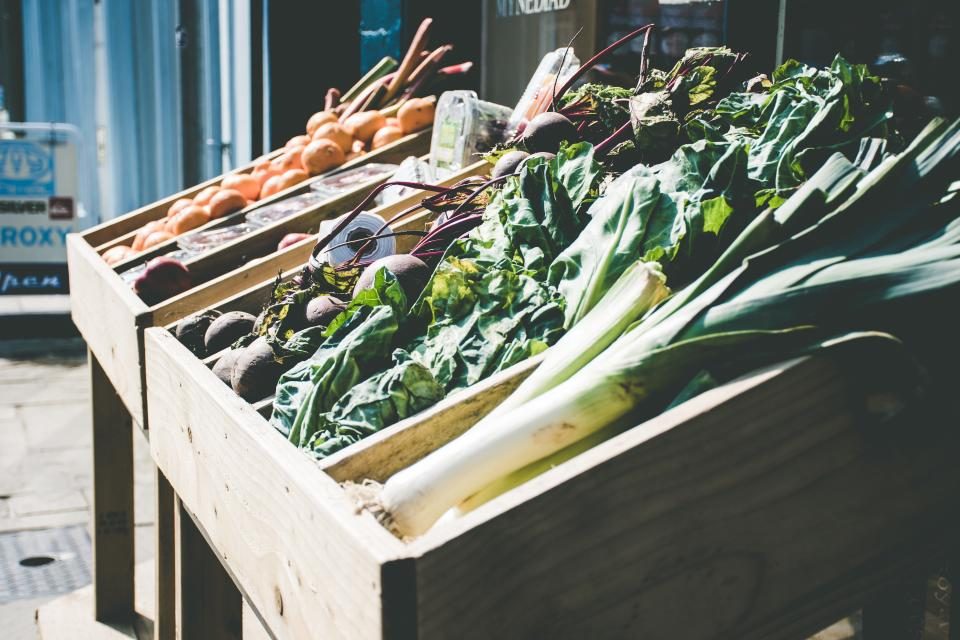
Freshly lifted leeks packed into a wooden crate

The Welsh Ark

Seven products worth saving

Each of these is on the international Ark of Taste register. Behind every one of them are producers still doing the work.

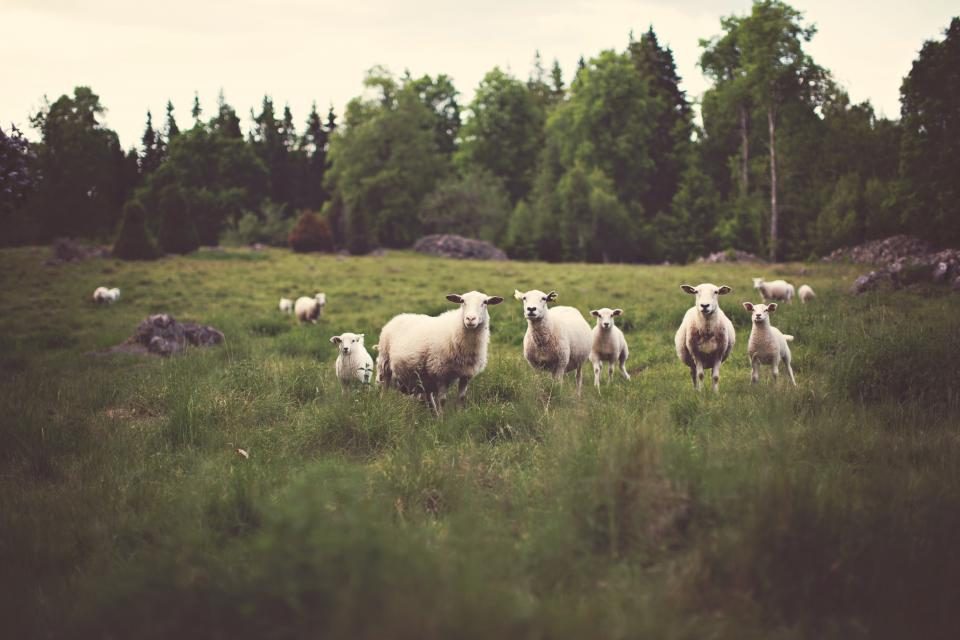
Welsh mountain sheep grazing rough upland pasture

South Wales Mountain Sheep

Defaid Mynydd De Cymru

A hardy hill breed shaped by the valleys and uplands of south Wales. These are sheep bred to thrive on rough mountain grazing that would defeat a lowland animal, and that diet of heather, bilberry and mountain grass is what gives the meat its character. As hill farming has come under pressure, the number of flocks kept to the traditional type has fallen.

Livestock
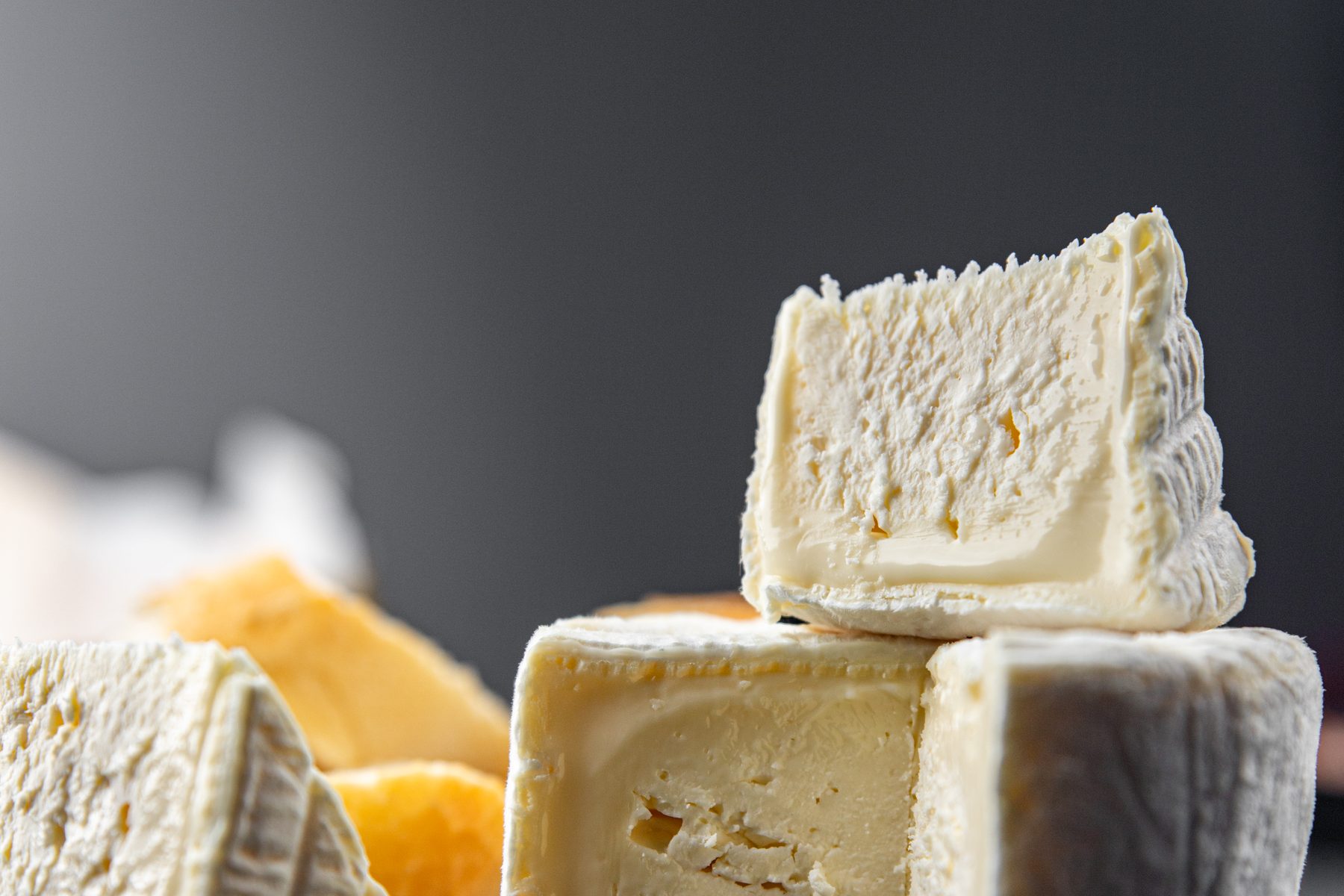
A still life of farmhouse cheeses, cut to show their rind and paste

Traditional Caerphilly

Caws Caerffili

A fresh, crumbly cow’s milk cheese with deep roots in the mining valleys, where it was carried underground as a day’s food. Industrial block production very nearly finished off the real thing. Farmhouse Caerphilly, made in traditional rounds and given time to mature, develops a soft, mushroomy rind and a creamy edge beneath it that the supermarket version simply does not have.

Dairy
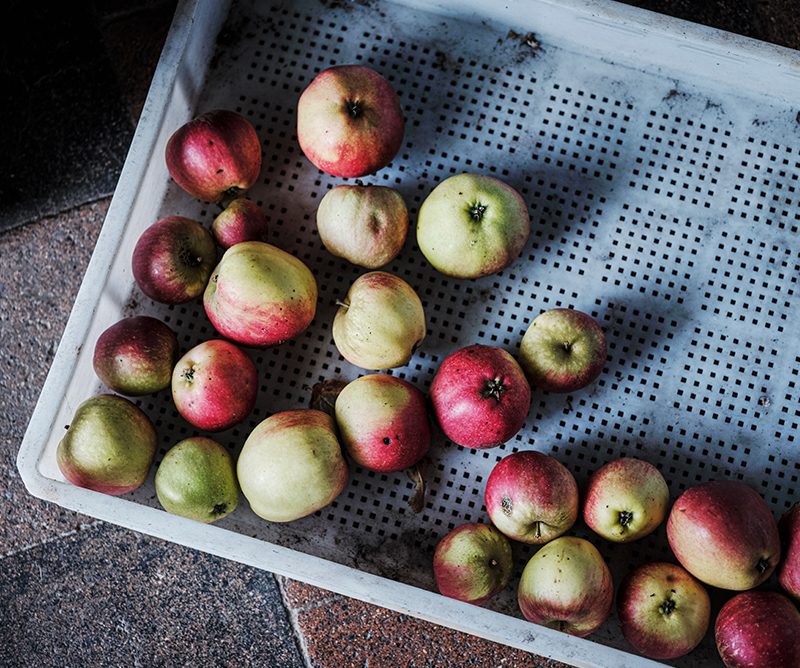
Heritage apples in a crate after picking

Bardsey Island Apple

Afal Ynys Enlli

Traced to a single old tree growing against a building on Ynys Enlli, the island off the tip of the Llŷn Peninsula. When the fruit was examined it appeared to match no known variety, which makes this an apple found nowhere else in the world. Grafts have since been taken so the variety is no longer dependent on one tree in an exposed spot in the Irish Sea.

Fruit
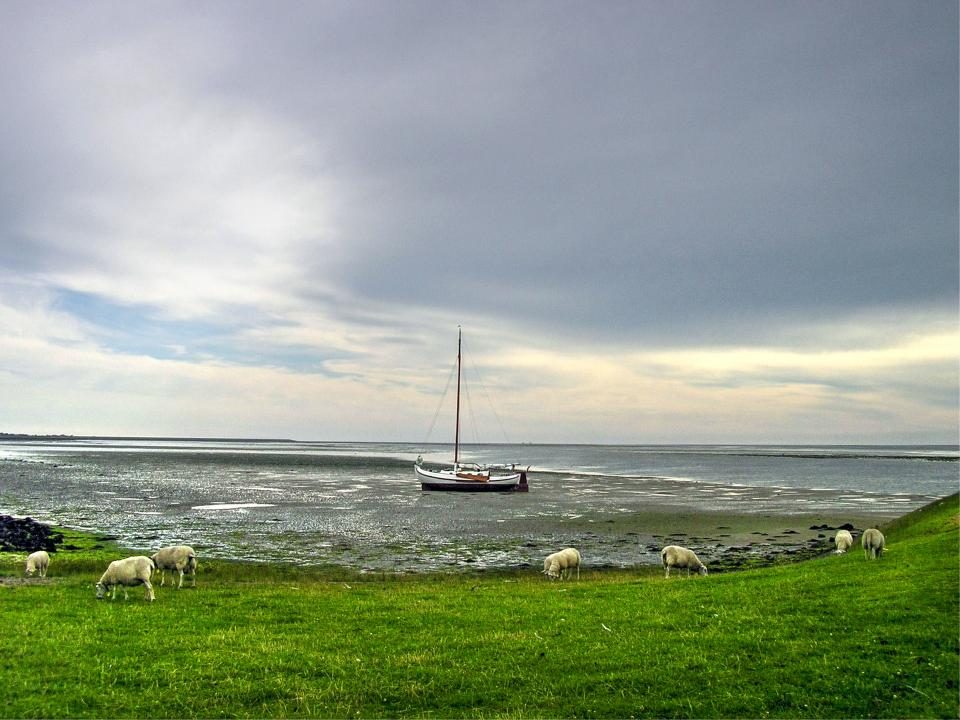
Welsh mountain sheep on a coastal hillside above an estuary

Badger Face Welsh Mountain Sheep

Defaid Torddu a Torwen

An old Welsh hill breed, unmistakable for its markings and known in two forms: Torddu, meaning black belly, and Torwen, meaning white belly. Like the other native mountain breeds it is small, tough and well suited to the Welsh uplands, and like them it has lost ground to faster-growing commercial crosses.

Livestock
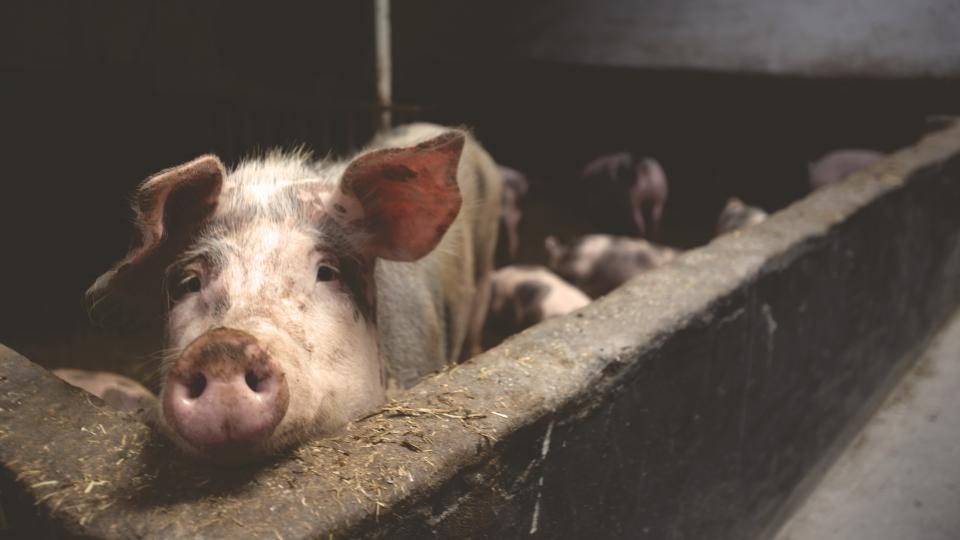
A pig at the gate of a farm pen

Pedigree Welsh Pig

Mochyn Cymreig

A white, lop-eared native breed and one of the rarest pigs in Britain. The Welsh pig fell out of favour when the industry moved to leaner, faster hybrids, but butchers and curers prize it for exactly what the industry rejected: the quality of its fat, and meat that behaves properly when it is cured, air dried or slow cooked.

Livestock
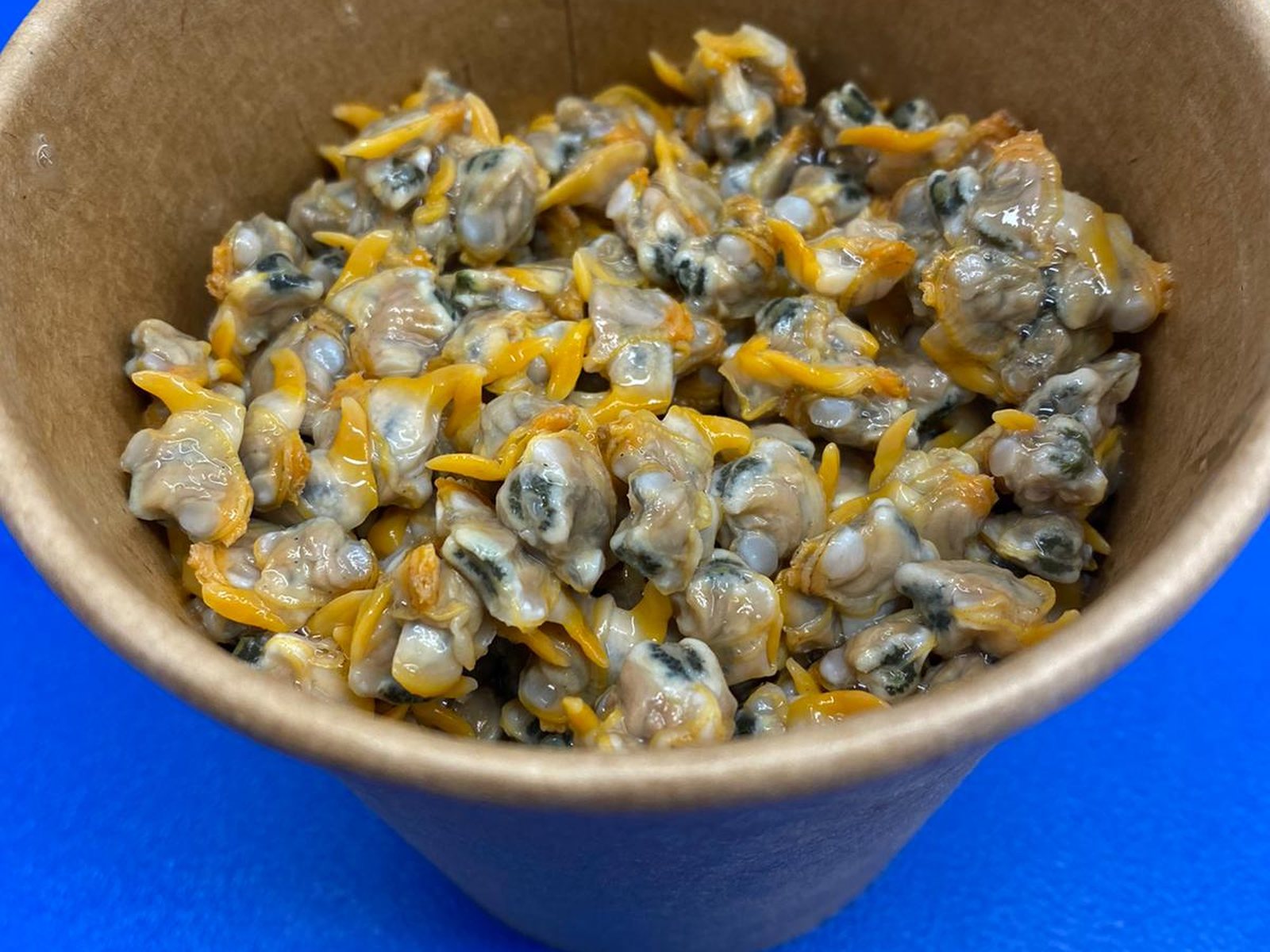
A tub of freshly cooked Penclawdd cockles

Penclawdd Cockles

Cocos Pen-clawdd

Gathered by hand from the sands of the Burry Inlet on the Gower, by families who have worked the same beds for generations. The work is done on foot, at low tide, with a rake and a sieve, and the knowledge of where the cockles lie is passed down rather than taught. Licensing protects the beds, but the tradition depends on there still being people willing to do it.

Seafood
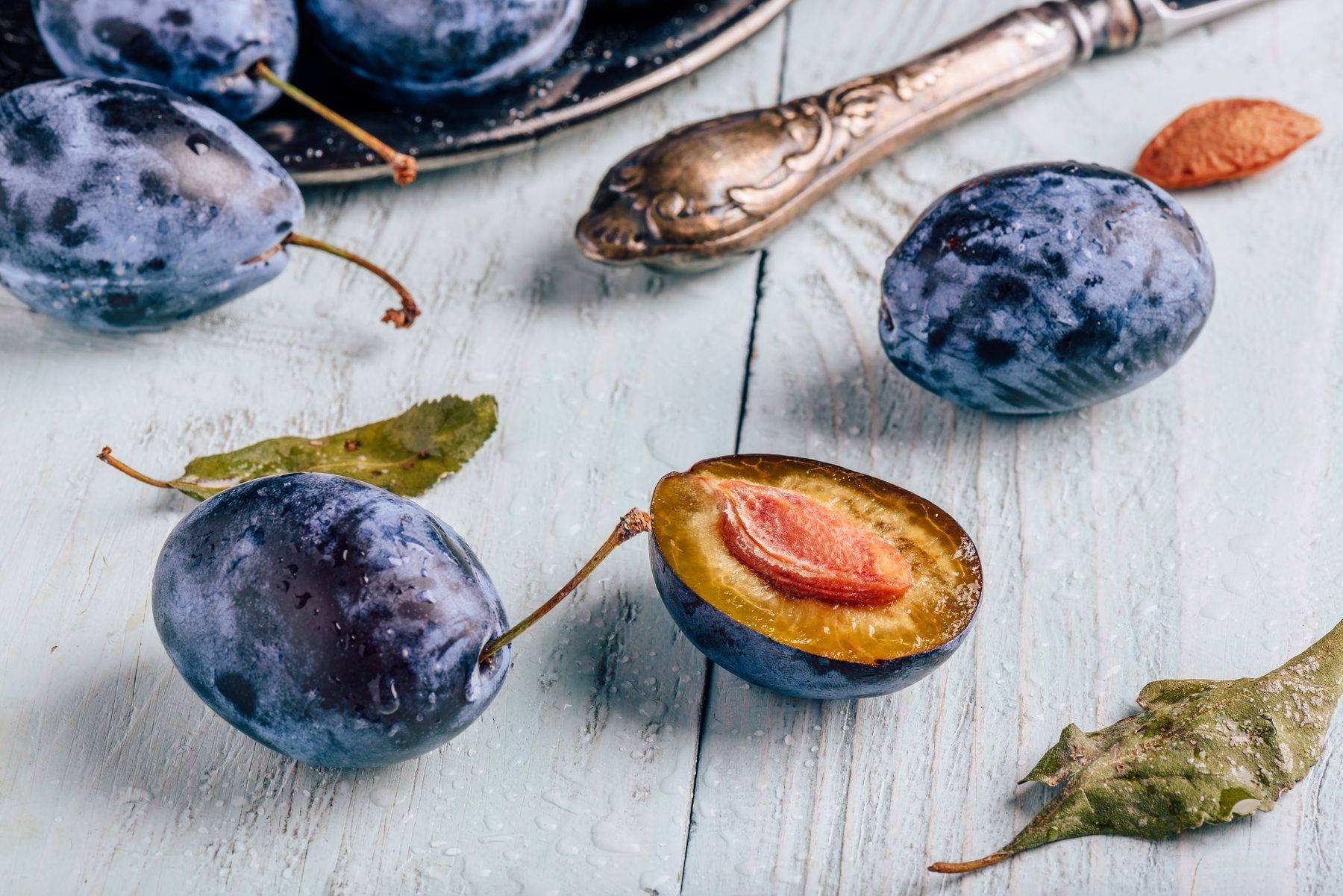
Ripe blue-black plums, one halved to show its amber flesh, on weathered white wood

Denbigh Plum

Eirin Dinbych

Grown in and around Denbigh in north Wales and effectively nowhere else, which is unusual enough to have earned it protected status. It ripens late, in September, and the town celebrates it every autumn. A local fruit in the truest sense: tied to one place, with the people of that place keeping it going.

Fruit
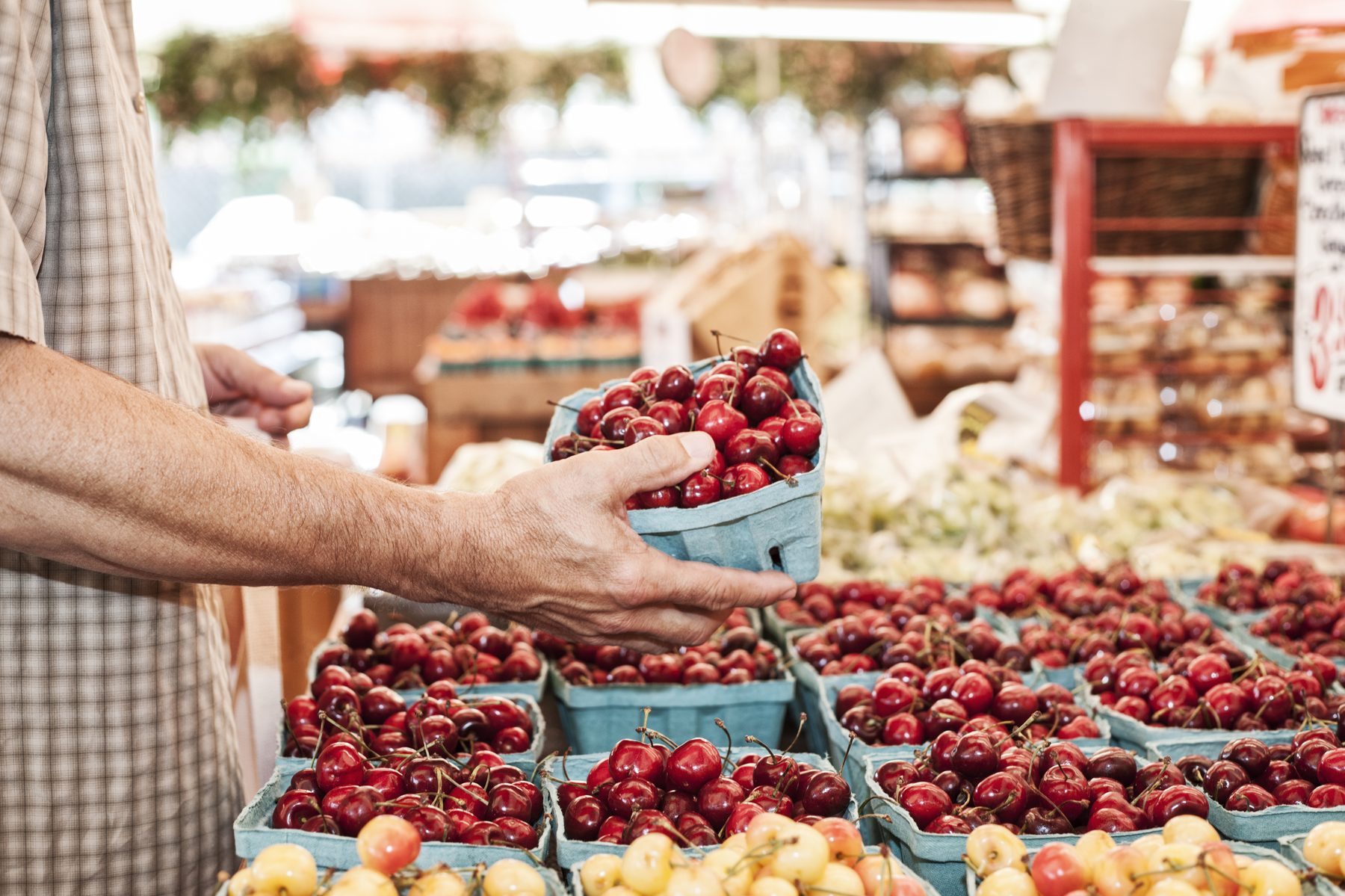
Hands choosing a punnet of cherries at a farmers market

Nominate a product

Know a Welsh food we have missed?

The Ark grows by nomination, and the nominations come from people who know. Growers, fishers, bakers, butchers, market traders, and people who simply remember something their grandmother made and cannot find any more.

A product belongs on the Ark if it is distinctive in taste, tied to a particular place and its people, made in limited quantities, and at real risk of disappearing. If something you know fits that description, tell us about it.

Get involved

Ymunwch â niHelp us protect Welsh food heritage

Every member makes the network stronger, and a stronger network means more producers found, more products saved and more people eating well.